Africa is entering a new era of growth, and infrastructure is at the center of it.
From energy and transport to logistics, manufacturing, and industrial cities, leaders across Africa are now moving from decades of discussion into a phase focused on execution, investment, and large-scale development.
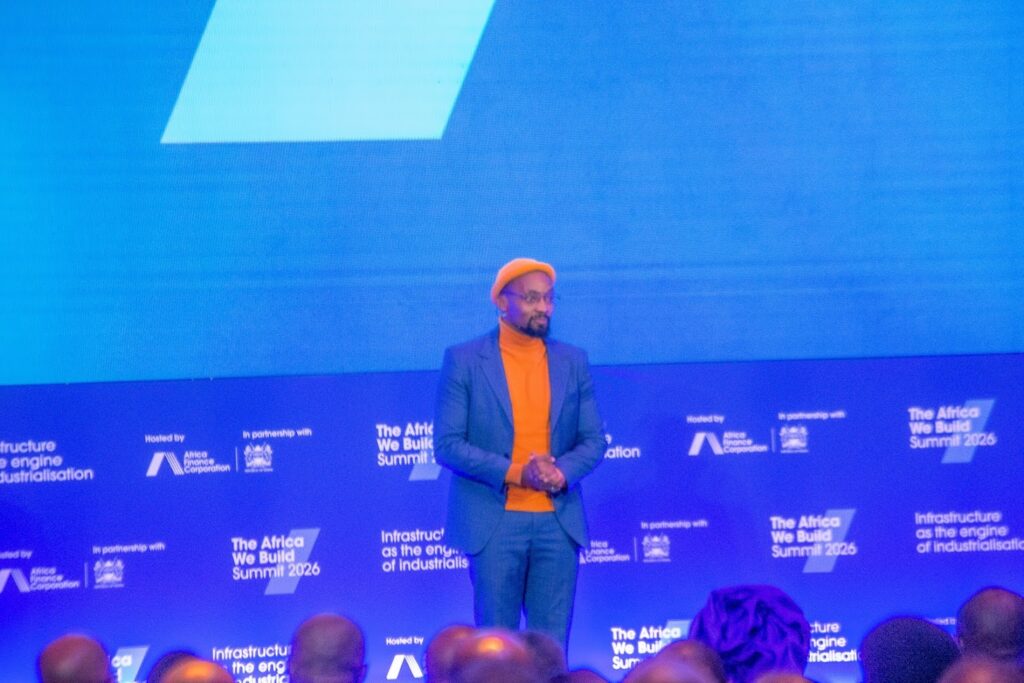
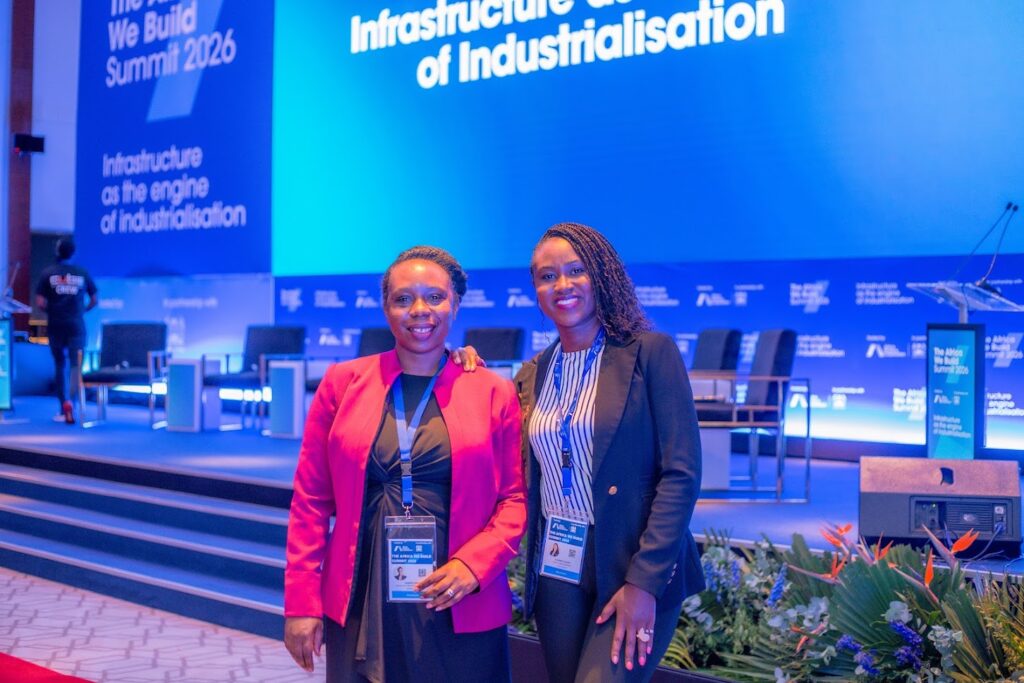
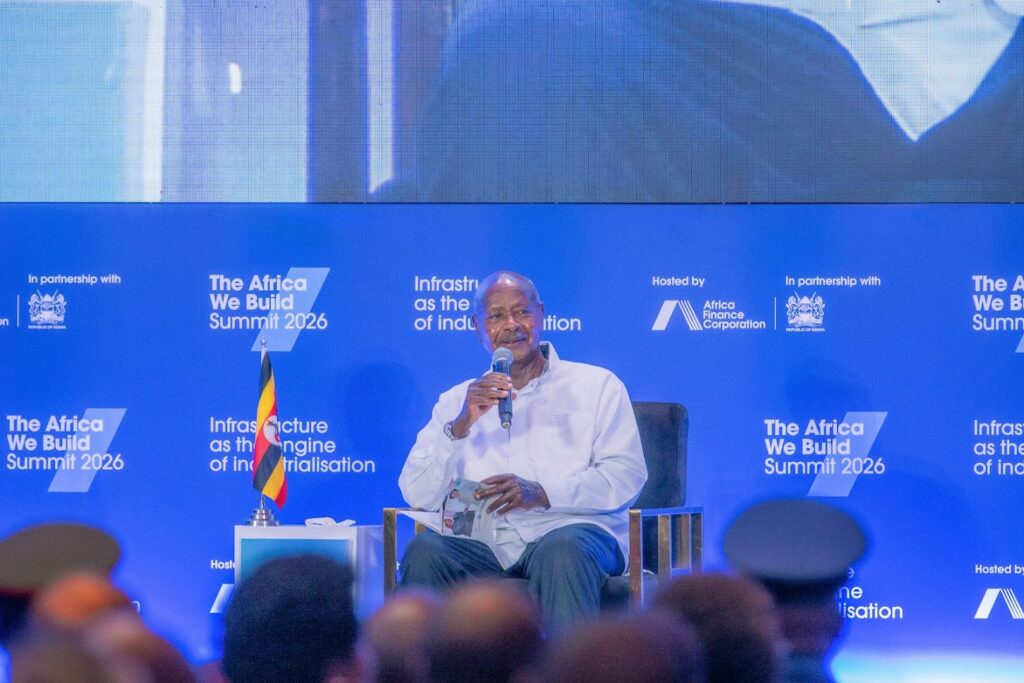
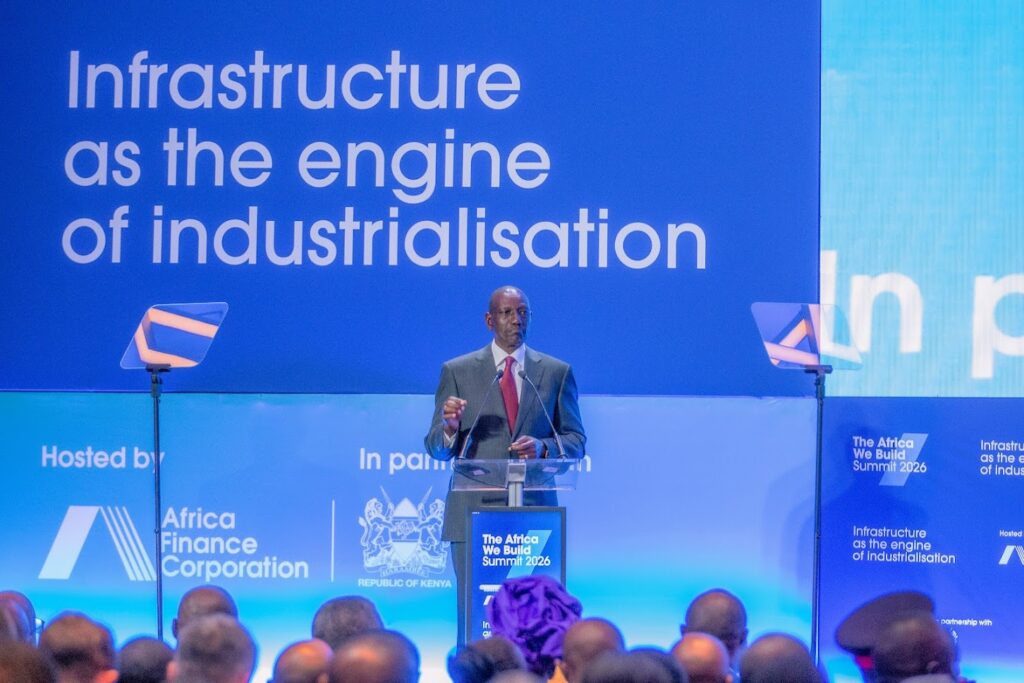
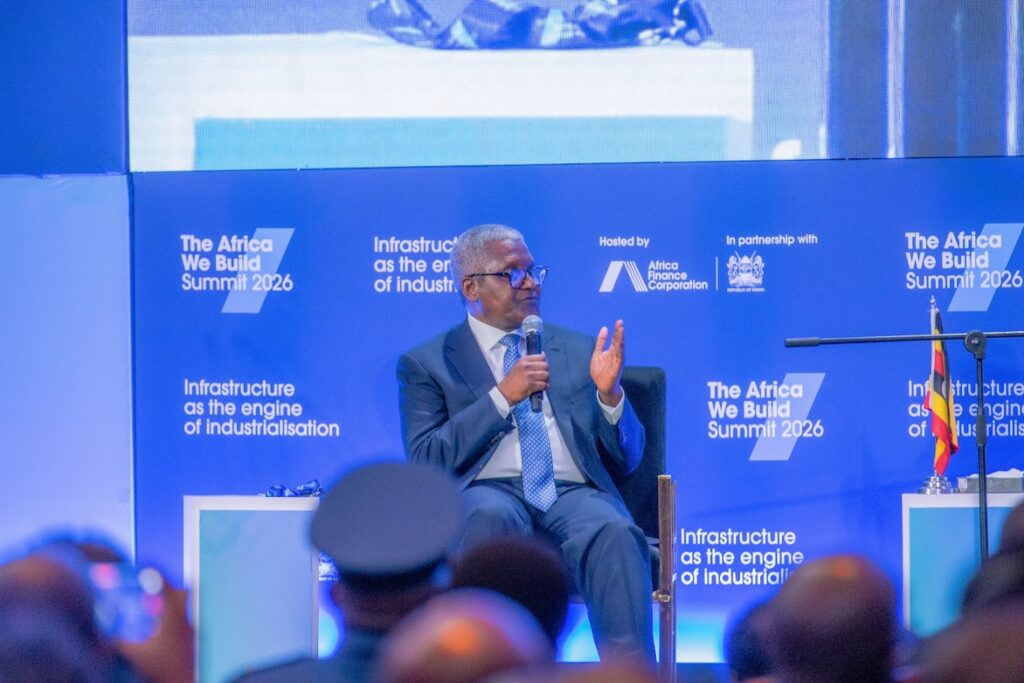
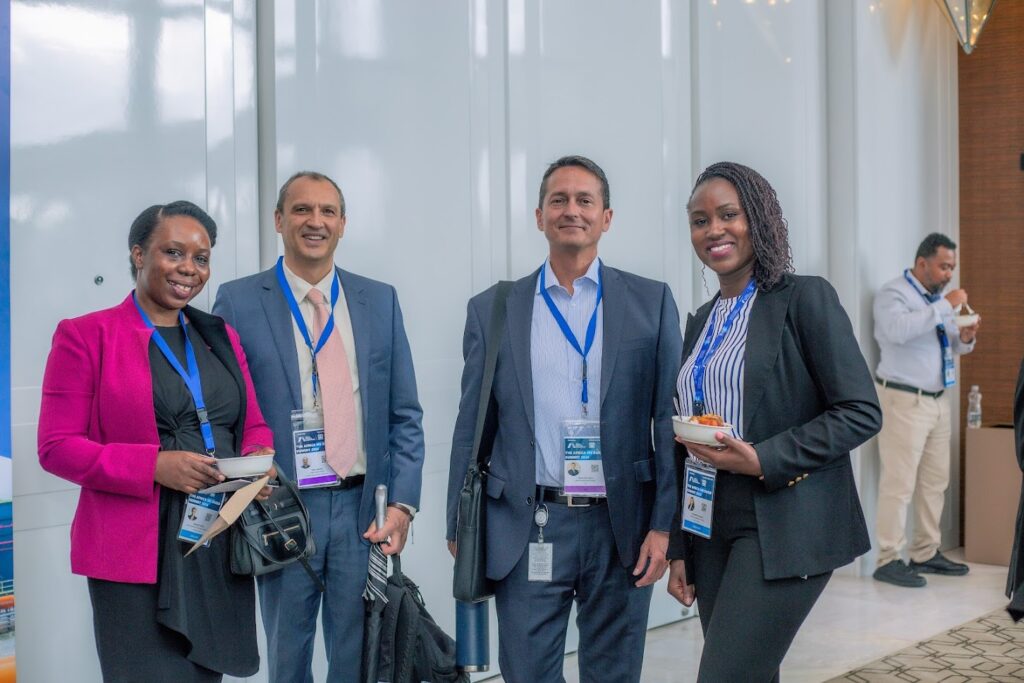
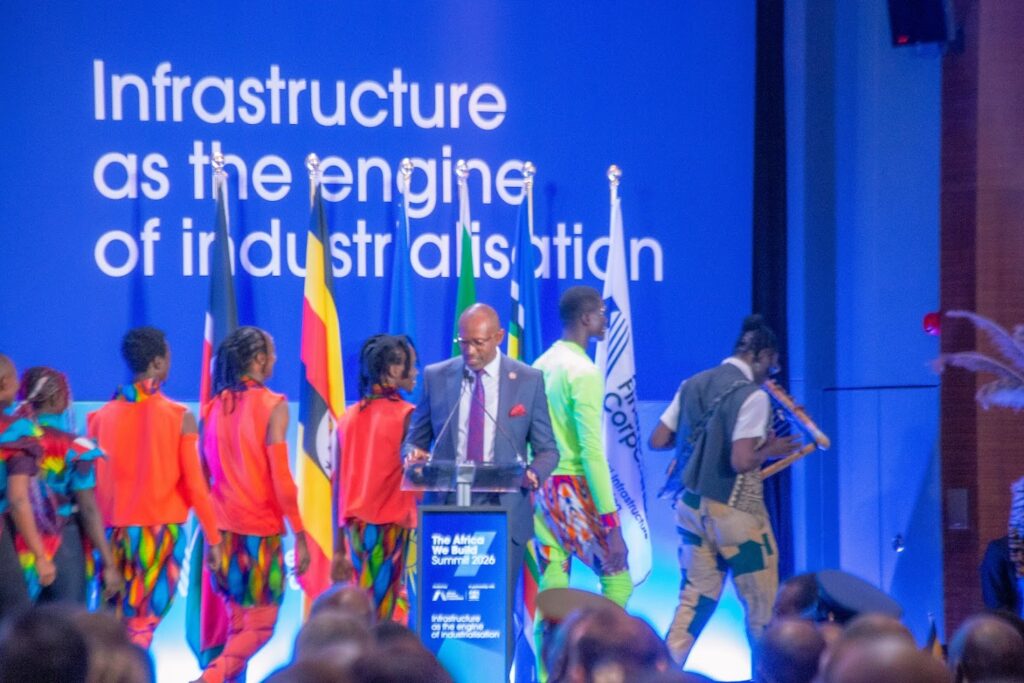
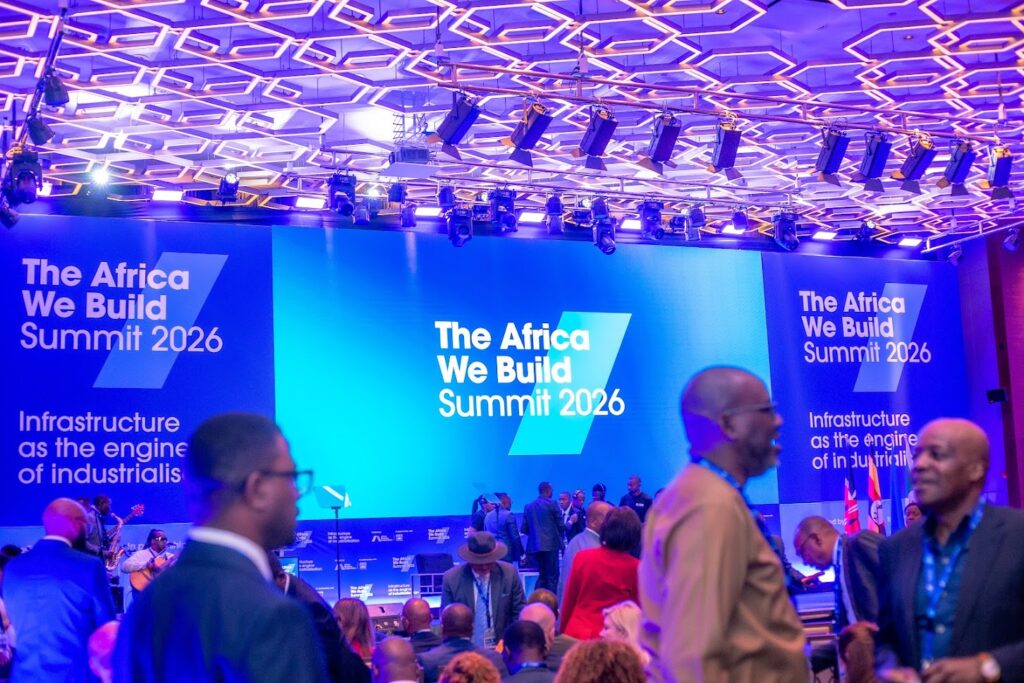
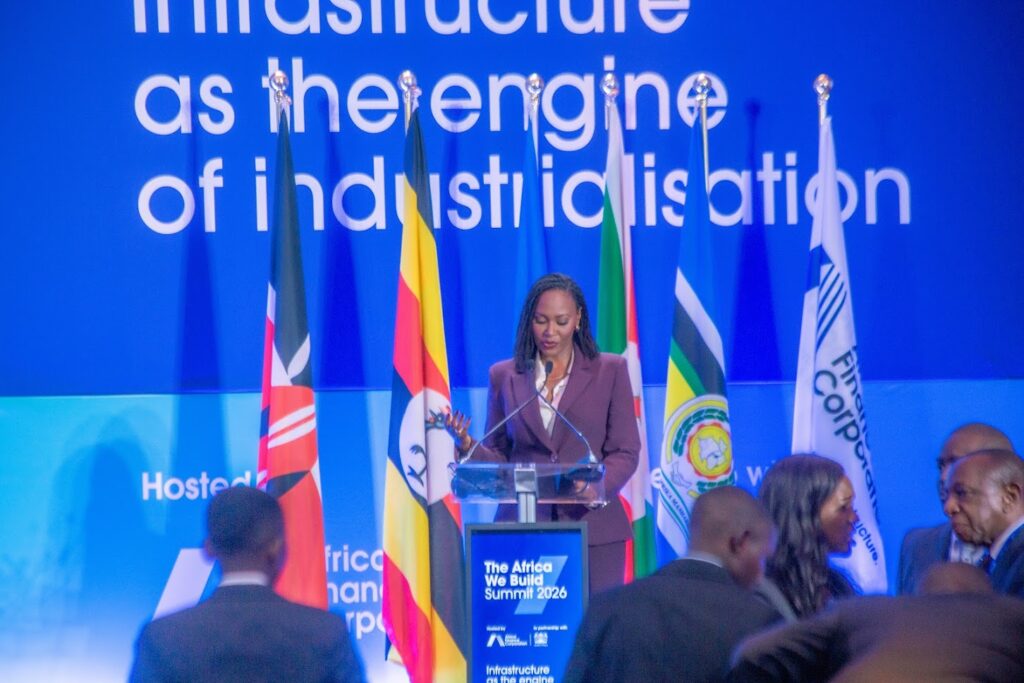
That was the defining message at The Africa We Build Summit 2026, held at the JW Marriott Hotel in Nairobi and hosted by the Africa Finance Cooperation (AFC) in partnership with the Government of Kenya. The summit brought together over 500 leaders, including presidents, ministers, investors, development finance institutions, industrialists, and infrastructure experts from across the continent and beyond.
For businesses, investors, policymakers, and development partners, the summit delivered one powerful conclusion:
Africa’s next economic chapter will be built through infrastructure-led industrialisation.
Why Africa’s Infrastructure Moment Matters Now
For years, Africa’s growth story has been discussed in terms of “potential.” But the conversations at the summit reflected something very different, urgency, coordination, and implementation.
Across multiple sessions, speakers emphasised that Africa’s challenge is no longer simply identifying opportunities. The continent already knows what it needs:
- Better roads and transport systems
- Reliable energy infrastructure
- Modern logistics networks
- Industrial manufacturing zones
- Integrated trade corridors
- Sustainable urban development
The real challenge now is turning these needs into bankable, investment-ready projects capable of attracting large-scale financing.
This shift is creating major opportunities for:
- Infrastructure investors
- Project developers
- Governments
- Financial institutions
- Urban development platforms
- Energy and logistics companies
In other words, Africa’s infrastructure ecosystem is becoming one of the continent’s biggest growth sectors.
Africa Is Not Capital Poor – It Is Project Poor
One of the most repeated themes during the summit was that Africa is not short of capital.
Global institutional investors, sovereign wealth funds, pension funds, development finance institutions, and private equity firms collectively control trillions of dollars in available capital. Yet much of that capital has struggled to enter African infrastructure markets.
Why?
Because many projects across the continent lack:
- Proper structuring
- Risk mitigation frameworks
- Investor-grade feasibility preparation
- Strong public-private coordination
- Clear financing models
This insight is critical for businesses and investors looking to participate in Africa’s growth.
The future winners in Africa’s infrastructure space will not simply be those with capital but those capable of creating well-prepared, scalable, and finance-ready projects.
Kenya Is Emerging as a Regional Infrastructure Hub
Kenya featured prominently throughout the summit as a strategic gateway for East African infrastructure and industrial development.
Projects linked to the Northern Corridor, which connects the Port of Mombasa to Uganda, Rwanda, South Sudan, and the Democratic Republic of Congo, were highlighted as essential for accelerating regional trade and industrialisation.
At the same time, Kenya is increasingly positioning itself as:
- A regional logistics hub
- A financial center for infrastructure investment
- A gateway for cross-border industrial projects
- A leader in blended infrastructure finance
The summit also highlighted the growing role of the Kenya National Infrastructure Fund in mobilising domestic capital for infrastructure development.
For businesses operating in East Africa, these developments signal growing opportunities across:
- Energy
- Real estate
- Manufacturing
- Logistics
- Smart cities
- Transport
- Renewable infrastructure
- Industrial parks
Industrialisation Is Becoming Africa’s Top Priority
A major takeaway from the summit was Africa’s increasing focus on building integrated industrial ecosystems rather than isolated infrastructure projects.
This means future infrastructure projects are likely to combine:
- Power generation
- Transport corridors
- Industrial processing zones
- Housing and urban planning
- Export logistics
- Technology infrastructure
The goal is to create self-sustaining economic systems capable of supporting long-term industrial growth.
This represents a significant shift from the traditional model where African economies primarily exported raw materials while importing finished products.
Instead, African leaders are now prioritising:
- Local manufacturing
- Regional value chains
- Industrial processing
- Economic self-sufficiency
- Intra-African trade growth
For investors and developers, this opens the door to larger, more integrated opportunities across multiple sectors simultaneously.
The Growing Role of Development Finance Institutions
Another important theme from the summit was the expanding influence of development finance institutions (DFIs) in shaping Africa’s infrastructure future.
Institutions such as:
- Africa Finance Corporation (AFC)
- African Development Bank (AfDB)
- International Finance Corporation (IFC)
- Trade & Development Bank (TDB)
- African Export-Import Bank (Afreximbank)
are increasingly acting as catalysts for large-scale infrastructure financing and industrial development across the continent.
These institutions are not only financing projects, they are also helping:
- Structure investment models
- Reduce project risk
- Support blended finance
- Improve bankability
- Attract institutional investors
This creates significant opportunities for local advisory firms, project developers, and strategic intermediaries capable of connecting projects with capital.
Africa’s Future Will Be Built Through Partnerships
Perhaps the biggest insight from the summit was that no single institution can build Africa’s future alone.
The next phase of African development will depend on collaboration between:
- Governments
- Investors
- Development finance institutions
- Infrastructure developers
- Industrial operators
- Policy advisors
- Urban development platforms
This is especially important as Africa moves toward integrated infrastructure ecosystems that combine energy, transport, logistics, urban planning, and industry into coordinated development models.
The summit strongly reinforced the idea that Africa’s future growth will belong to organisations capable of bringing these ecosystems together.
Final Thoughts
The Africa We Build Summit 2026 was more than a high-level conference.
It reflected a broader transformation taking place across the continent, one where Africa is increasingly focused on delivery, industrialisation, and infrastructure execution.
For businesses, investors, and development partners, the message is clear:
Africa’s next decade will be shaped by those who help build the infrastructure systems powering industrial growth, regional integration, and economic transformation and that transformation has already begun.